
Monday, March 14, 2011
"The Prince's Gambit" in The New Yorker


Friday, March 11, 2011
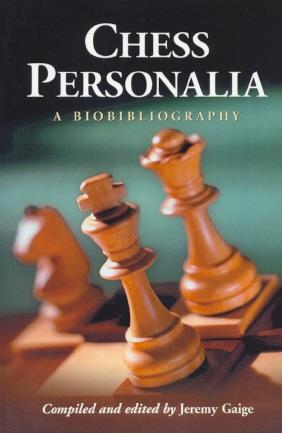
Jeremy Gaige (1927-2011)
Monday, March 07, 2011
Kavalek on Gligoric
Lubomir Kavalek has a great piece on Svetozar Gligoric titled Chess Legend Turns to Music (reprinted at ChessBase), which uses the release of Gliga's new album as the occasion to analyze the wonderful game Petrosian - Gligoric, Zagreb 1970 (which seems to have inspired his own fascinating game Keene - Kavalek, Teesside 1975). Gligoric's album has previously been discussed at Chessvibes, but I could find no further information. Likely it will be a while before it is released in the US. Meanwhile, we can enjoy this wonderful game, which presents a fascinating response to the Bayonet Attack.
Tuesday, March 01, 2011
Lego Chess Set

Melanie Penola recommends you Build a Chess Set Out of LEGOs, in a way which seems more child-friendly than the Lego Star Wars chess set noted here last year. I think my son will be inspired by this one. (Direct link to the Instructables instructions).
Thursday, February 24, 2011
Learning to Sense Danger at the Amateur Teams
 |
| Goeller - Williams, White to play Should White play 25.Bxb6 or 25.Rxb6? |
 |
| Goeller - Lima, White to play Should White play 21.g4 or some other move? |
 |
| Kopec - Goeller, Black to move Black wants to play Bxf3 and dxc4, but in what order? |
I will be posting some more games and stories from the recently concluded World Amateur Team tournament soon.
Subscribe to:
Posts (Atom)


